




Historic buildings
Vallby Open Air Museum was founded in 1921 to show a miniature Västmanland. Today there are about 50 buildings that have been moved from all over the Västmanland County. Click on the images to learn more.
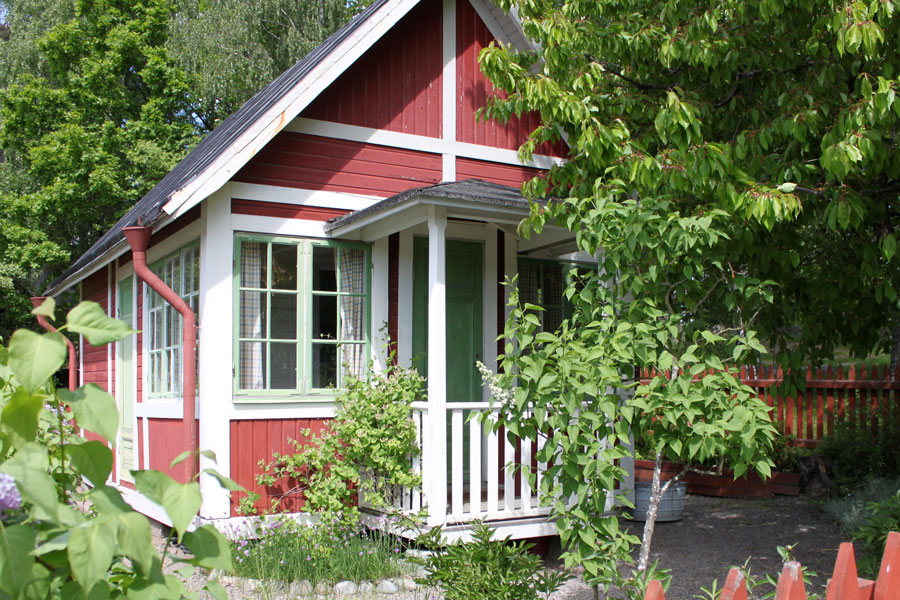
Allotment Cottage
The cottage's interior and garden show the colonial life in the 1950's.
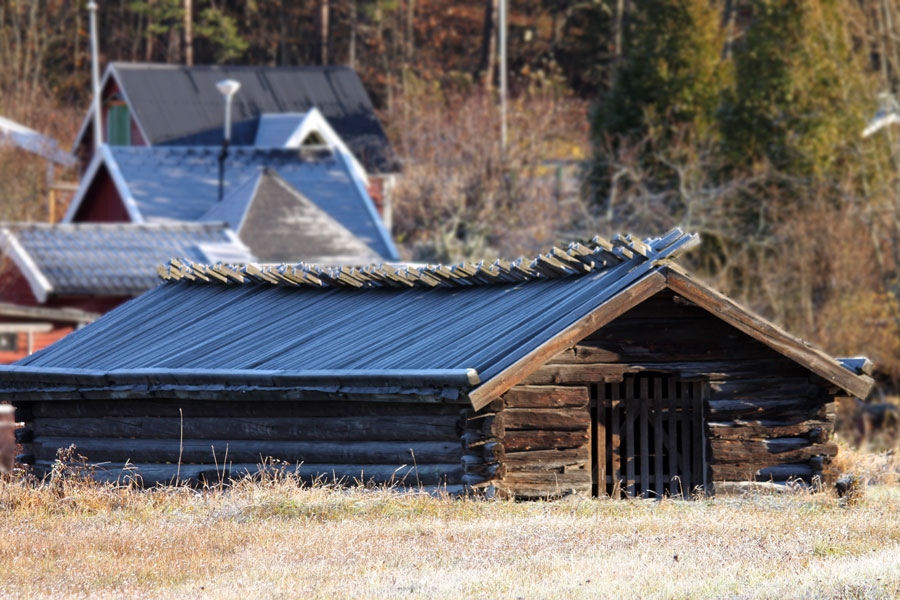
Boathouse with Church Boat
The church boat was used on Lake Åmänningen to get to the church on Sundays.
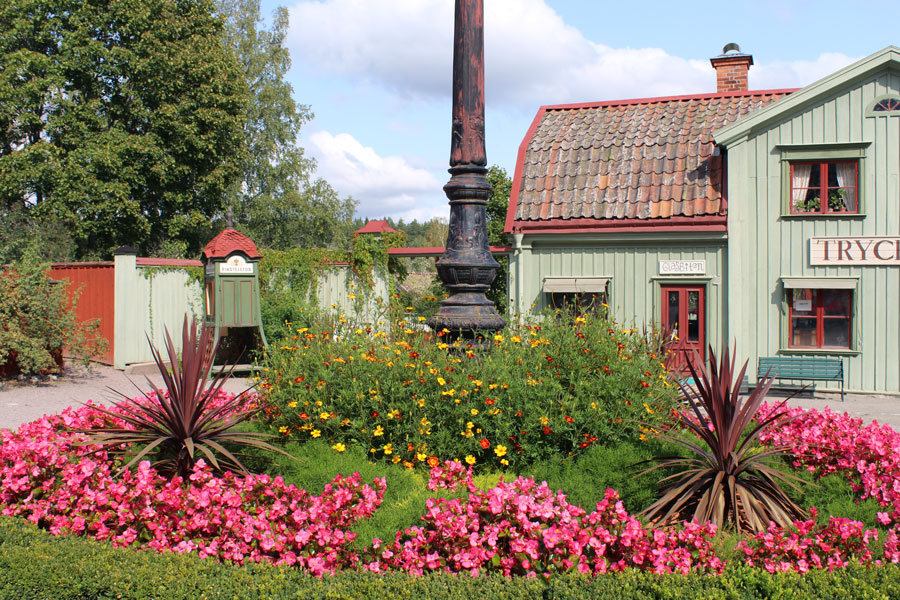
City Quarter
The museum's city quarters include a square and buildings from various places in Västmanland.
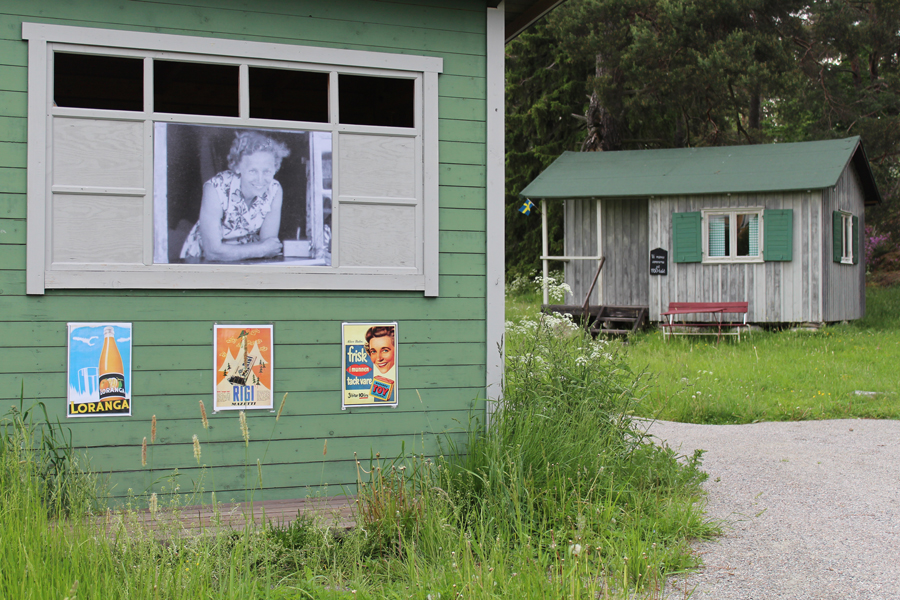
Cottage Village
In the 1940s, ASEA in Västerås built a holiday village on Southern Björnö for its employees.
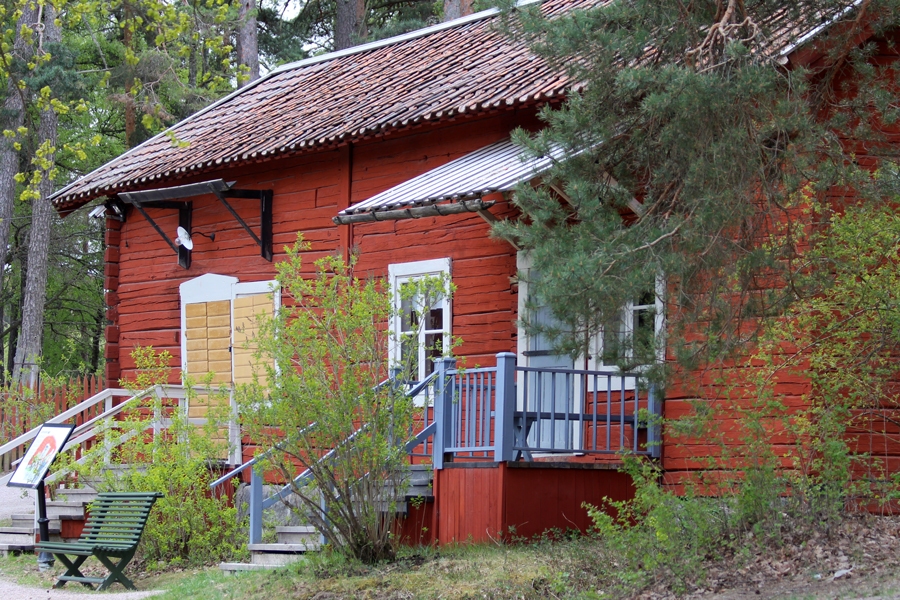
Country Store
The Country Store consists of a store, office, residence and exhibition.
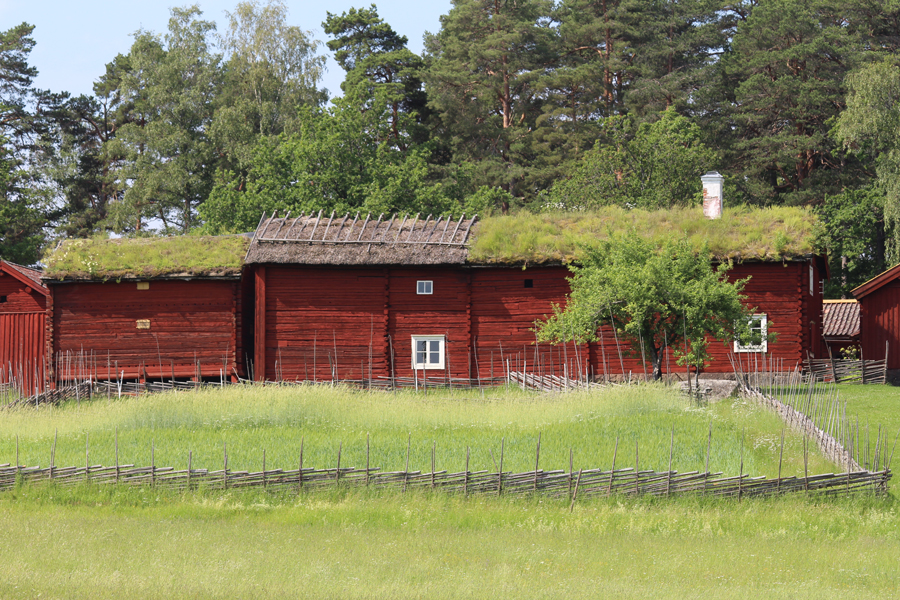
Farmstead
The farmstead is a typical farmstead from the 19th century in Västmanland.
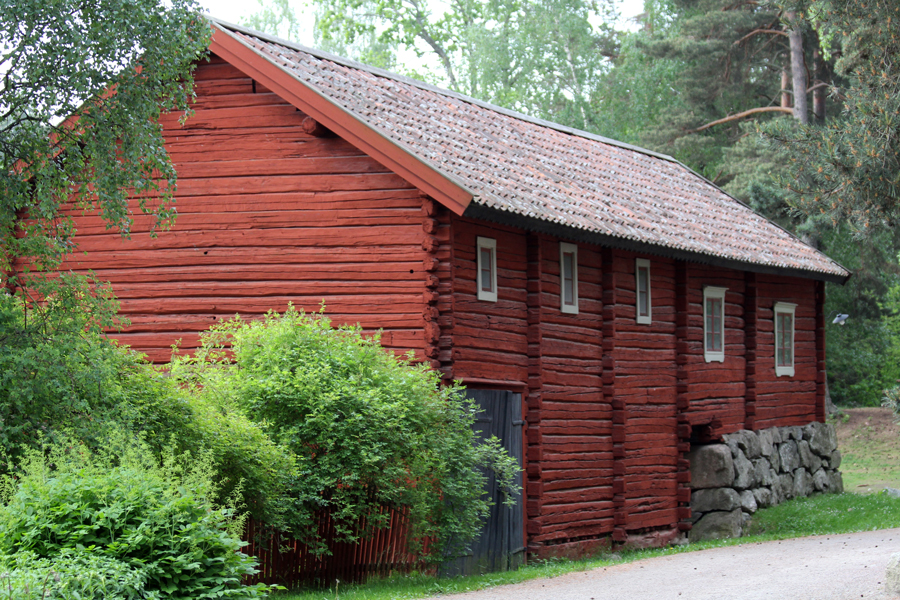
Inn
At the square is a part of an inn from the 18th century.
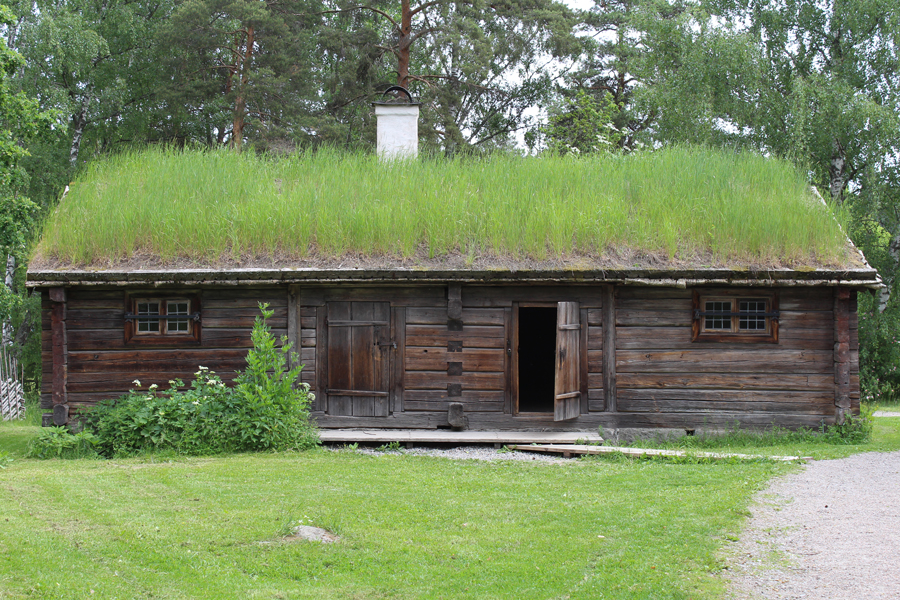
Ironmaster´s Homestead
The Ironmaster´s homestead exhibit a house with paintings from the 17th century, cattle shed, storehouse and a sawmill.
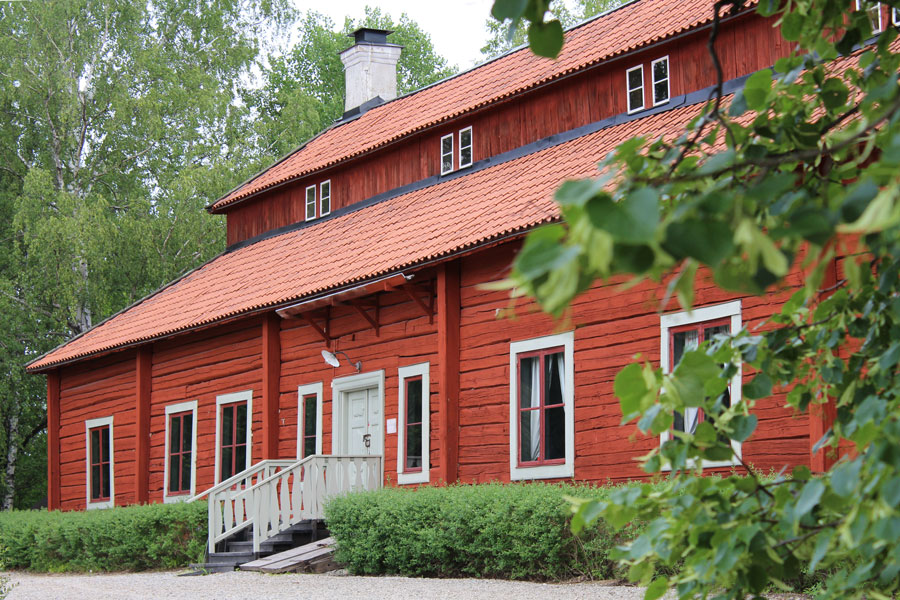
Manor house and gazebo
The Museum’s country estate, or manor, consists of three buildings and their surroundings.
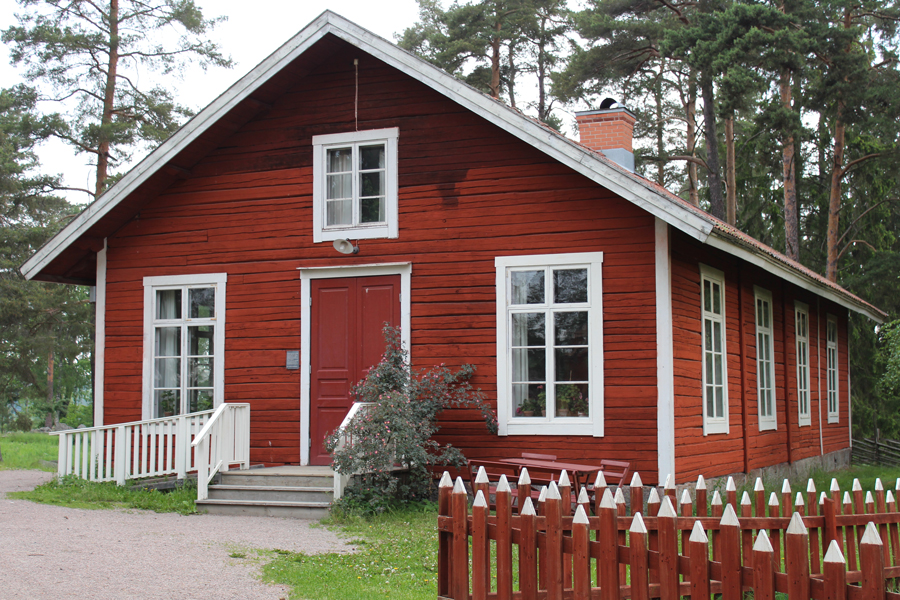
Mission Hall
The mission hall was built in the late 1800's and used for church service and other social gatherings.
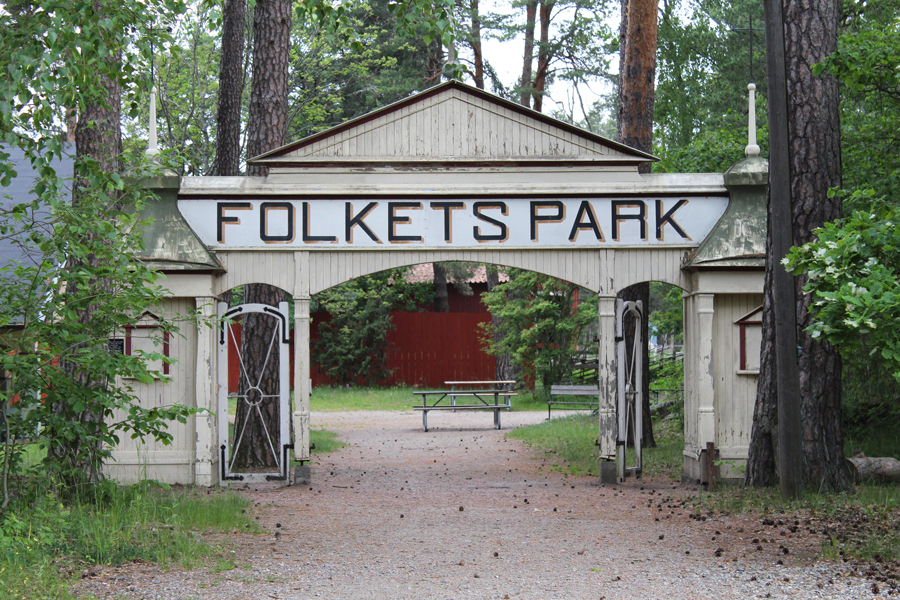
People’s parks and theatres
People’s parks were established in the late 1800's. Their purpose was to provide entertainment and recreation.
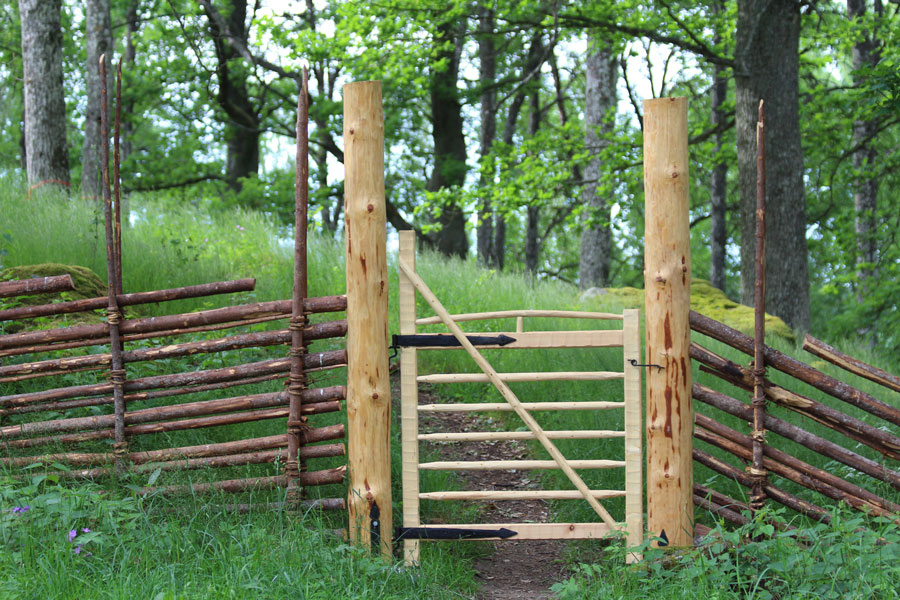
Prehistoric Relics
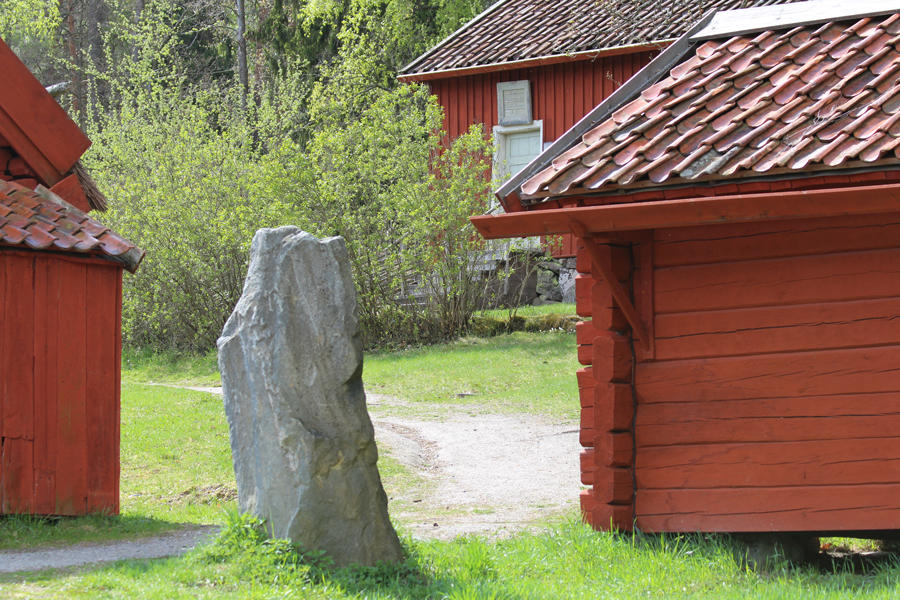
Several prehistoric relics on Museum grounds indicate that people have lived at Vallby since the Stone Age.
Soldier´s homestead
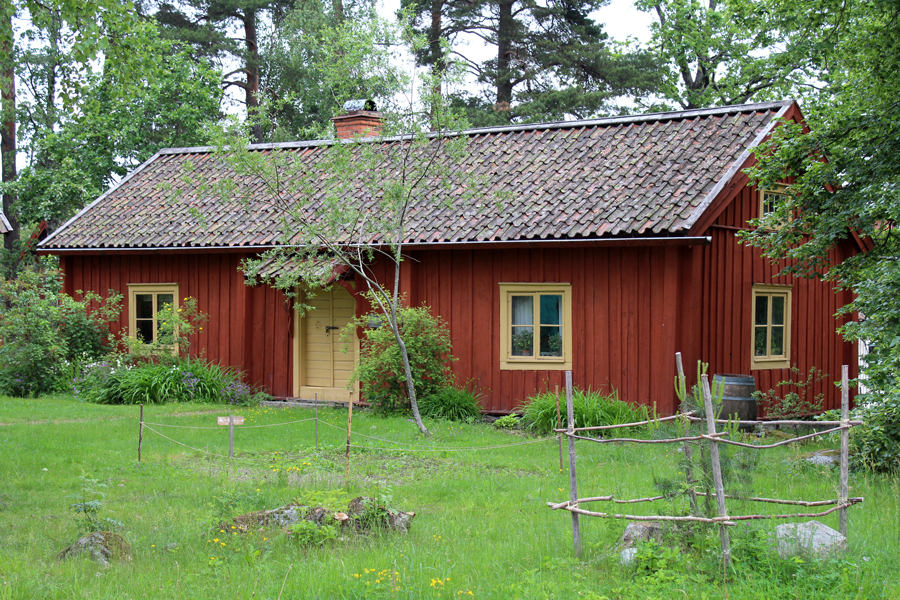
The soldier’s cottage belonged to Västerås Company of the Royal Västmanland regiment.
Vicarage
The vicarage from Lillhärad is a cottage from 1750. The church stalls are from the same period.
Village School
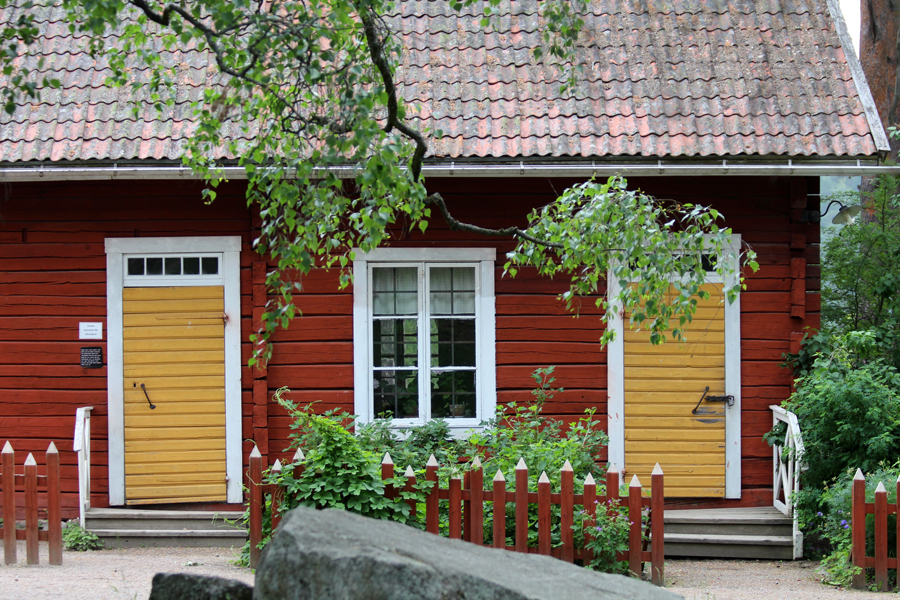
The village school shows a classroom and the teacher's residence around 1910.